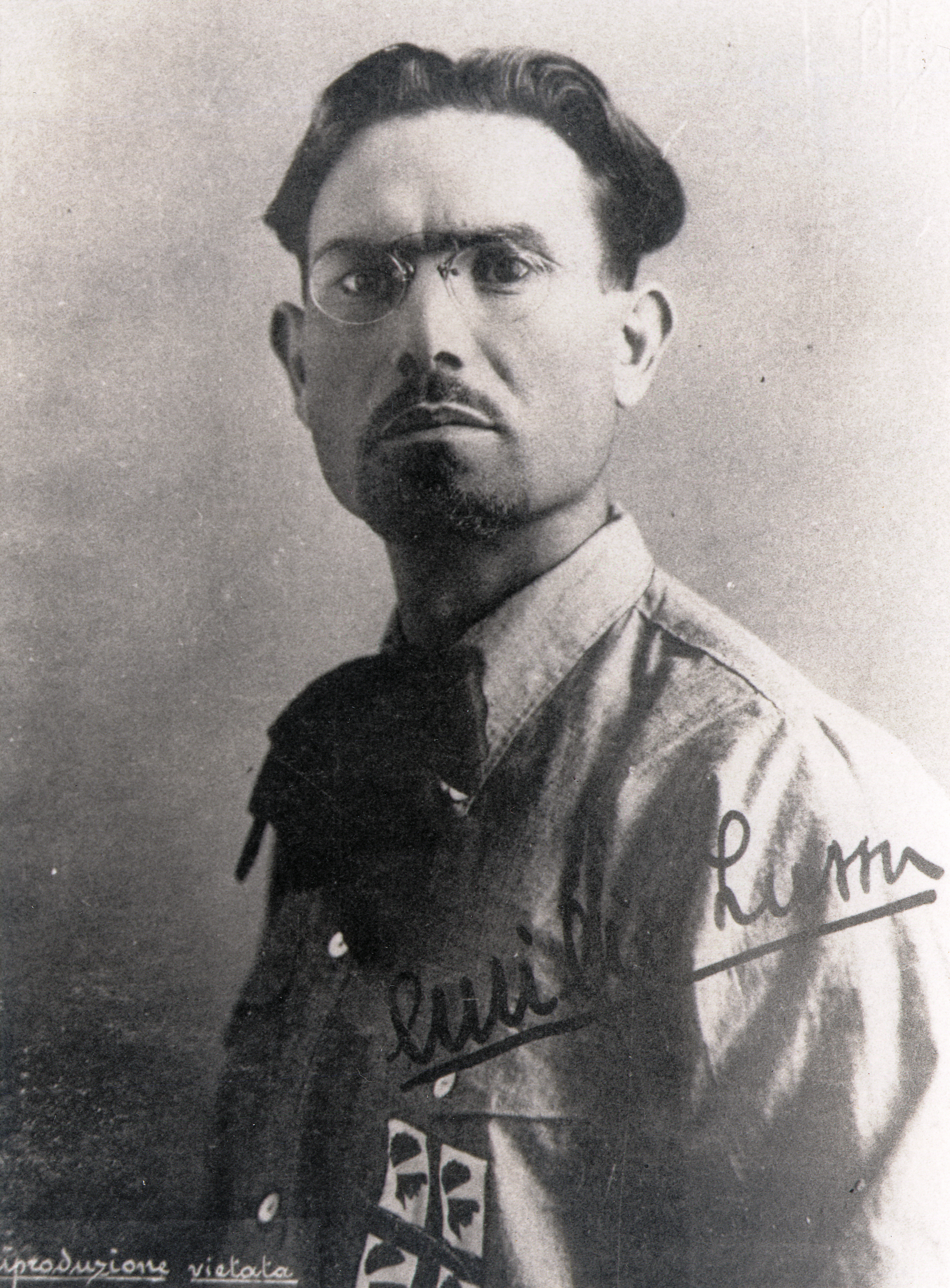
Emilio e Joyce Lussu
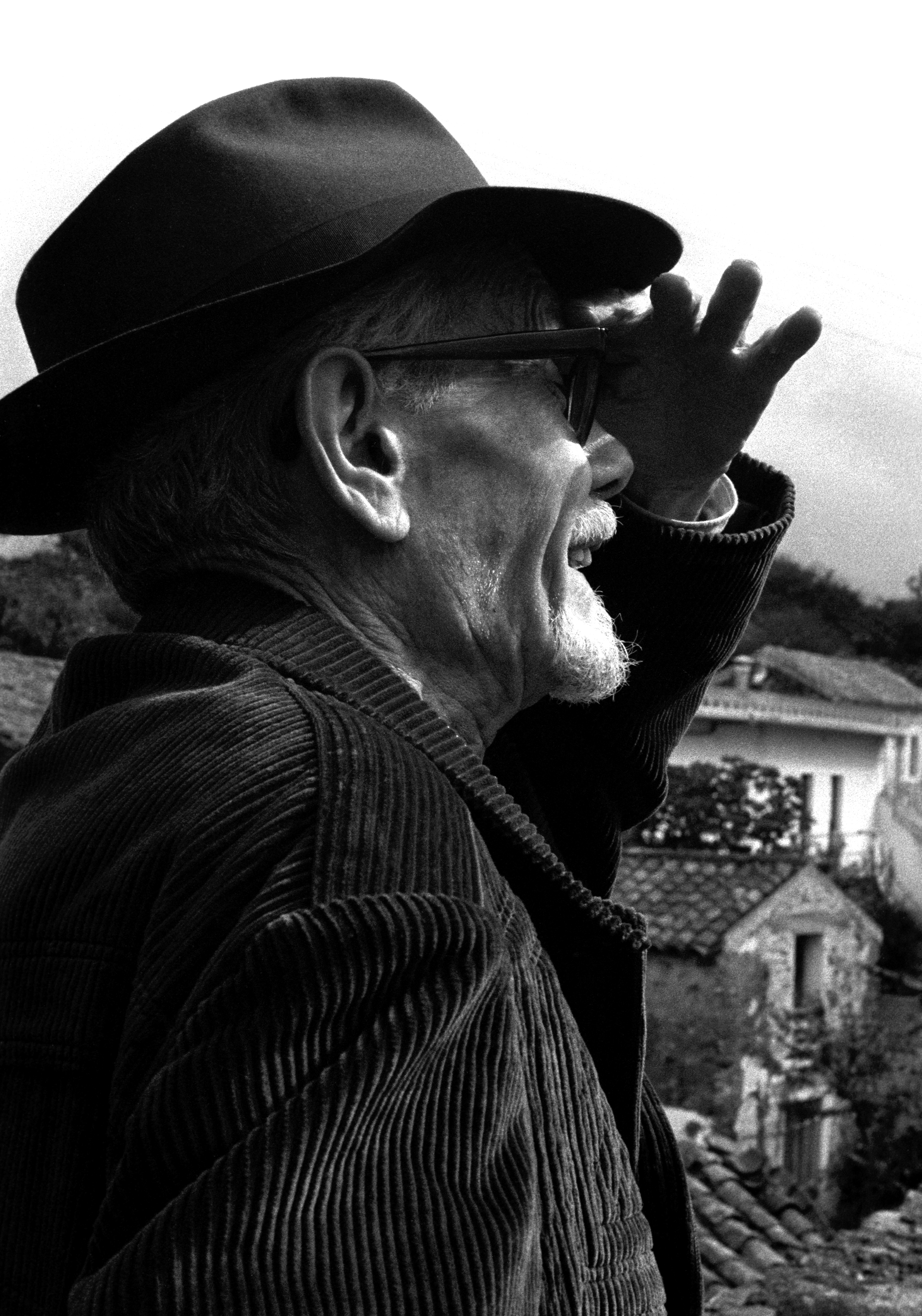
Emilio Lussu
Emilio Lussu was born in Armungia on December 4, 1890, and spent his childhood there. After completing high school and high school, he studied law at the University of Cagliari, where he graduated on April 29, 1915. Immediately called to arms, he took part in the Great War as an officer in the "Sassari" Brigade , fighting on the Karst Plateau, the Asiago Plateau, the Bainsizza, and the Piave River. He soon began to doubt the meaning of war, but continued to fight with great courage, determined to remain faithful to his initial pro-intervention stance and feeling a deep sense of responsibility toward his soldiers. A highly decorated officer (two silver and two bronze medals for Military Valor), he returned to Sardinia after the end of the conflict. on September 14, 1919, preceded by the stories of Sardinian veterans about his exploits.
A driving force behind the veterans' movement, on April 15, 1921, he was among the founders of the Sardinian Action Party , with which he was elected to the Chamber of Deputies in the general elections of May 15. During this period, Lussu became one of the greatest witnesses to the rise of fascism in Italy and Sardinia, taking an increasingly clear and radical line of opposition. Re-elected to the Chamber in 1924 despite a climate marked by violence and intimidation, on October 31, 1926, he was attacked in his home in Cagliari's Piazza Martiri. Choosing not to flee, he fatally shot one of his attackers. After thirteen months in prison, in October 1927 he was acquitted on grounds of self-defense but immediately sentenced by the regime to five years' deportation to Lipari . On July 27, 1929, he managed to escape with Carlo Rosselli and Francesco Fausto Nitti, reaching first Tunisia and finally France. In Paris, together with Carlo Rosselli, Alberto Tarchiani, and other anti-fascists gathered around Gaetano Salvemini, he was among the founders of the Giustizia e Libertà movement, in which he remained active throughout his exile. In 1933, in Geneva, he met Joyce Salvadori for the first time, who would become his wife and share with him the experience of the clandestine fight against Nazism during the Second World War.
In the 1930s, he wrote and published his main works in Paris: The Chain (1930), March on Rome and its Surroundings (1933), Theory of Insurrection (1936) and A Year on the Plateau (1938). The March on Rome , an extraordinary autobiographical testimony to the country's progressive moral and political collapse in the face of fascism, and A Year on the Plateau , an authentic masterpiece of international literature on the Great War, achieved notable editorial success . In 1939, returning in his memory to his origins in Sardinia, he wrote The Devil's Boar , a tale of hunting and magic set in the countryside of Armungia.
After the fall of Mussolini, Lussu returned to Italy, settling in Rome and joining the Resistance as a leader of the Action Party. In 1945, after the Liberation, he served as Minister of Post-War Assistance in the Parri government and Minister for Relations with the Constitutional Court in the first De Gasperi government. In 1946, he was elected to the Constituent Assembly, joining the Commission of 75, charged with drafting the Republican Constitution . A senator by right in the first parliament of the Italian Republic, he was re-elected to the Senate in 1953, 1958, and 1963, serving first in the PSI and finally in the PSIUP. His time as a Socialist parliamentarian was filled with contributions both inside and outside the Chamber, from his defense of the democratic and anti-fascist republic to his battles for the redemption of Sardinia, with which he remained in constant contact and which he dedicated himself to until the end. He died in Rome on March 5, 1975.
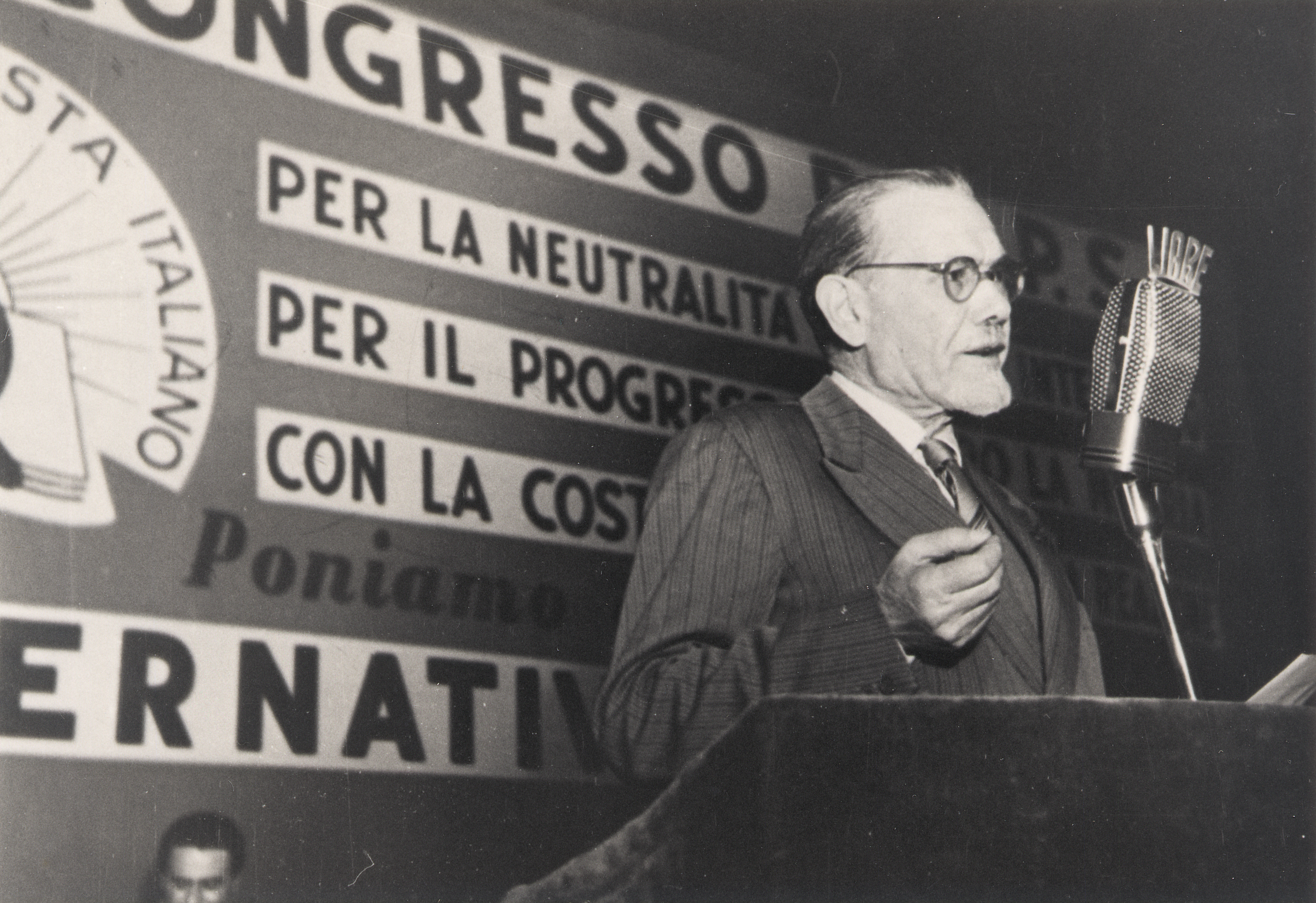
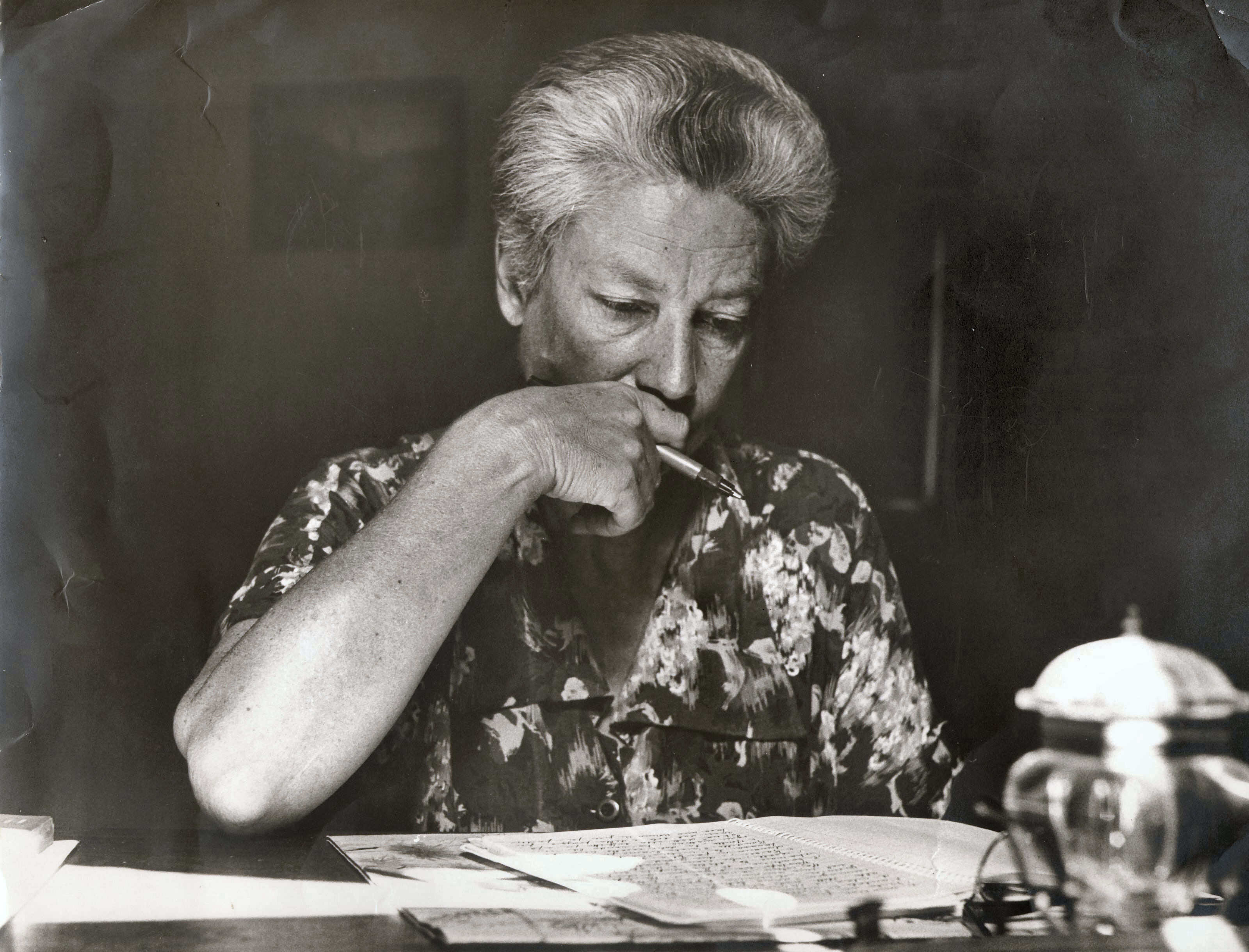
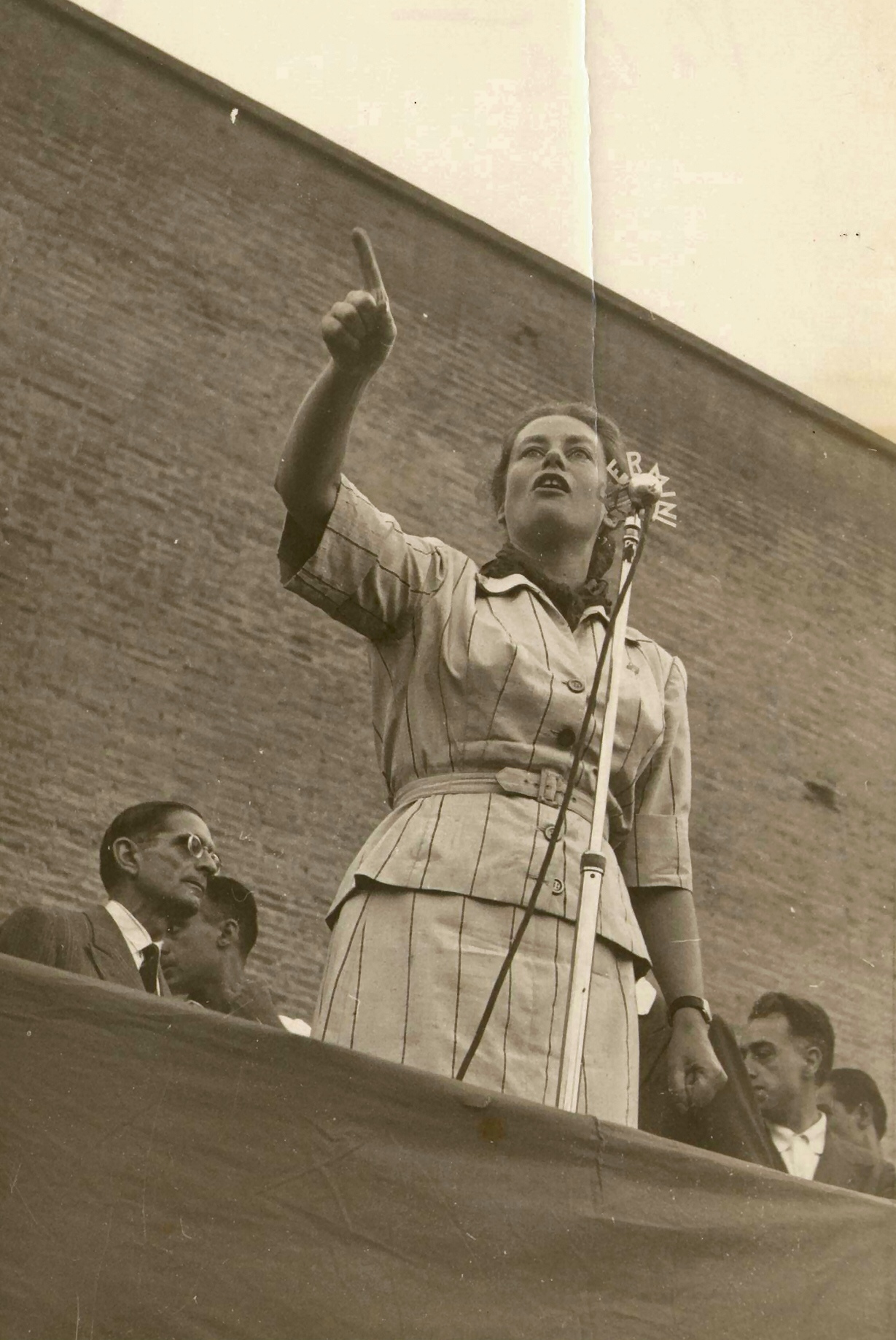
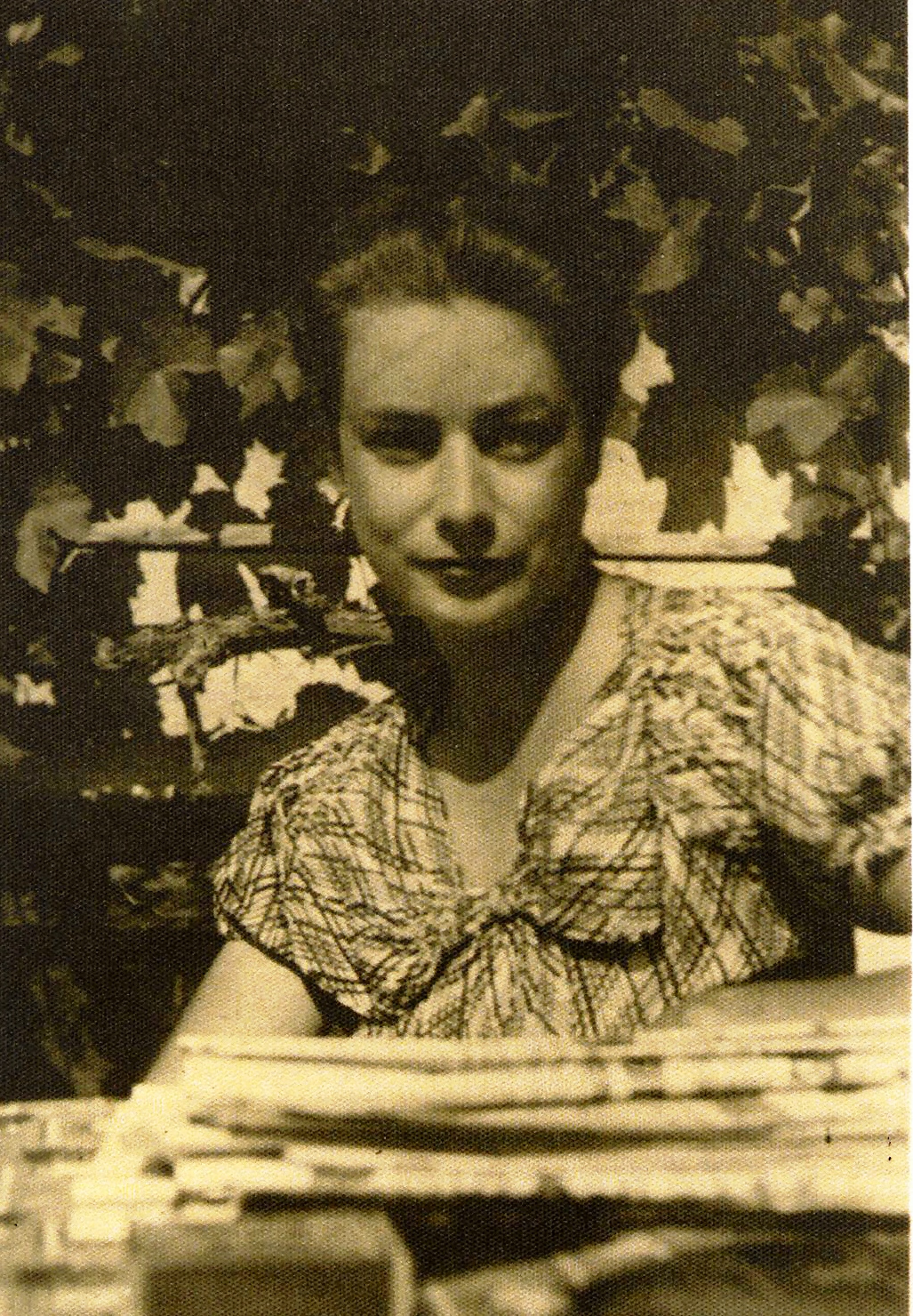
Joyce Lussu
Joyce Lussu was born in Florence on May 8, 1912, to a family of Anglo-Marche origins. The daughter of Guglielmo Salvadori and Giacinta Galletti, she experienced exile as early as 1924, when her father was attacked by Florentine fascist squads and decided to leave Italy for Switzerland.
After graduating privately from high school in the Marche region, she studied philosophy at the University of Heidelberg , where she witnessed the rapid rise of Nazism, ultimately deciding to leave Germany. Active in clandestine work supporting the Giustizia e Libertà movement, in 1932 she went to Ponza to visit her brother Max, who was confined to the island for his anti-fascist activities. There she was tasked with traveling to France to find Emilio Lussu and personally deliver a set of secret documents to him. Their first meeting in Geneva in the spring of 1933 would be recalled in Portrait , her extraordinary autobiography published in 1988. In 1938, Joyce and Emilio Lussu were together in Paris, where she studied at the Sorbonne and where they lived until the German occupation of France in June 1940.
Her escape from the French capital marked the beginning of her clandestine struggle against Nazism and Fascism , during the Second World War. In Marseille in 1941, Joyce specialized in producing false identity documents to facilitate the escape of many wanted anti-fascists from France. After moving to Lisbon and London, Joyce and Emilio Lussu were the only Italian anti-fascist figures to return to occupied France, to resume their commitment to the fight against Nazism. In Fronts and Frontiers , a work written and published in 1945, she was the first to recall this experience autobiographically.
Shortly after the fall of fascism and her return to Italy, Joyce Lussu was tasked by the National Liberation Committee with attempting to cross the war front and establish contact with the Badoglio government and the Allies in the south of the country. Her actions in the Resistance as a partisan fighter earned her the Silver Medal of Military Valor , awarded in a solemn ceremony in Cagliari in 1961. In 1944, she arrived in Sardinia for the first time, beginning her travels to discover the island, denouncing its poverty and underdevelopment in numerous articles. For several years, she was a leader of the Italian Women's Union , pursuing her commitment to women's emancipation . From the late 1950s, she was the Italian delegate for Bertrand Russell's World Peace Movement, supporting the cause of the liberation movements of African peoples fighting for independence from European colonialism . This is how she met and translated poets around the world such as Nazim Hikmet, Agostino Neto, José Craveirinha, and Ho Chi Minh. Her major works include Translating Poetry (1967), Padre Padrone Padreterno (1976), L'olivastro e l'innesto (1982), Inventario delle cose certe (1988). Co-founder and president for ten years of the Sardinian Institute for the History of the Resistance and Autonomy , she remained in contact with Sardinia and Armungia until her death in Rome on November 4, 1988.