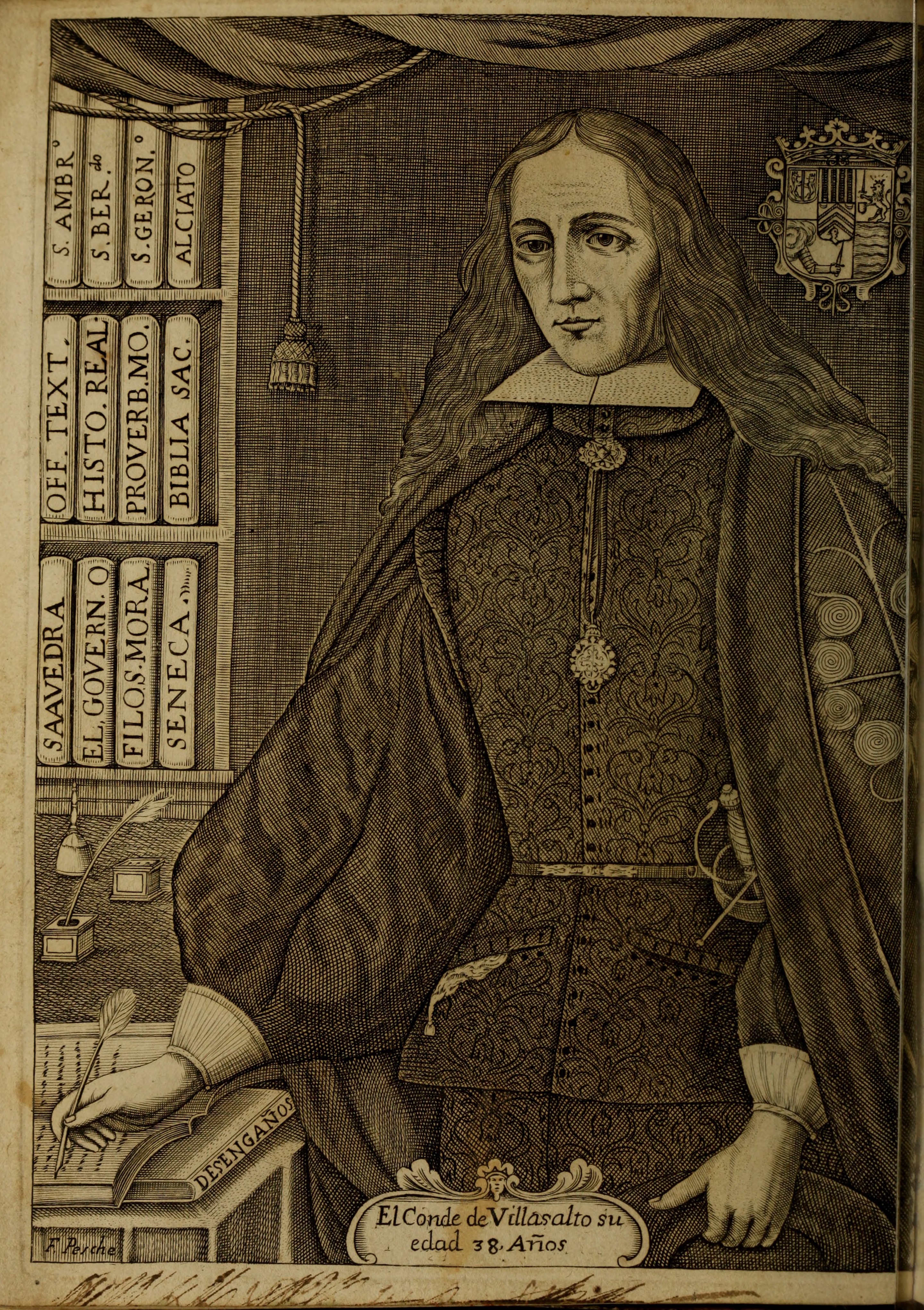
Don Giuseppe Zatrillas y Vico
The dispute of the woods and the legend of Su Dottu
To overcome the baron's resistance, during the 18th century the farmers of Armungia did not hesitate to resort to fire, even after obtaining permission to cultivate in some areas of the wooded area. The ongoing dispute with the Zatrillas, stemming from the community's centuries-old push to expand its cultivation, gave rise to the legend of the village of Su Dottu , passed down through the centuries and becoming part of popular memory. According to tradition, its inhabitants abandoned the village nestled in the woods to escape the plague, finding refuge in Armungia and settling in the neighborhood that still bears their name today.
Fiefdom, memory and redemption of Armungia
At the end of the 18th century, the Armungese community had a new dispute with their feudal lord, who accused them of encroaching with their crops on the Murdega forest, which for over a century had been reserved for hunting and fattening pigs for the benefit of his state property. During the lawsuit, the feudal lord cited as proof of Murdega's state ownership its previous ownership of another village in his fiefdom, that of Su Dottu, whose dispersed population he was, according to feudal law, the sole heir. To counter this, the Armungese attempted to twist the story to their advantage: the existence of Su Dottu was true, and its inhabitants had not, however, vanished into thin air, leaving the baron heir to his territory, but had taken refuge in Armungia, thus bringing with them all their rights to Murdega. By the end of the 18th century, however, the era of the Zatrillas was almost over. The last descendant, Maria Vincenza Zatrillas y Manca, married Don Giuseppe Maria Vivaldi Pasqua Casteloro, passing on to him the county of Villasalto. Armungia redeemed itself from the Vivaldi Pasqua family in 1839, with the abolition of feudalism.
Armungia after the Aragonese conquest
After the Catalan-Aragonese conquest of Sardinia in 1324, Armungia was granted as a fief to Ximen Pérez de Cornel , Baron of Alfajarin, who had arrived on the island with the military expedition led by Infante Alfonso and had become castellan of the main fortress of Gerrei, Orguglios Castle . In 1332, however, Raimondo Zatrillas obtained the lordship of Armungia, along with those of Ballao and Sisini, as a reward for taking part in the war against the Doria, a powerful Ligurian house with extensive dominions in northern Sardinia. Originally from the Empordà region, and always loyal soldiers to the kings of Aragon and Spain, the Zatrillas family participated in Sardinian affairs until the arrival of the Savoy and the beginning of Piedmontese rule.
The lordship of the Zatrillas in Gerrei
During the 14th century, the feudal hold on the territory was long subject to the alternating events of the Sardinian-Catalan war , tenaciously fought by the Giudicato of Arborea. After the conflict ended with the defeat of Arborea (1409), on 18 August 1456 Raimondo IV Zatrillas obtained the Incontrada del Gerrey as a fief, consisting of the villas of Armungia, Ballao, San Nicolò Gerrey, Sisini, Silius and Villasalto. His son Angelo Zatrillas y Roig was the second lord of Gerrey.
Murdega and the Convention of 1680
On August 3, 1678, Don Giuseppe Zatrillas y Vico, seventh Baron of Gerrey, esteemed as a poet and man of letters, obtained the title of Count "over any of the places he holds in fief." He chose Villasalto and subsequently also obtained the title of Marquis of Villaclara. On March 23, 1680, he signed a new agreement with the community of Armungia. It was an important act that, on the one hand, established the village's right to freely use a vast, still uncultivated area, and on the other, sanctioned the baronial exclusivity of the Murdega slope, rich in acorn forests. For the people of Armungia, this was certainly a loss, since, according to feudal customs, each village could, in case of need, use its entire territory, with the sole obligation of respecting the primary forest. Moreover, they had already in the past extended their cultivations to the Murdega valley floor.